Extensive Construction Support for Every Job
Extensive building solutions are vital for the successful management of any building project. They promote seamless integration across all phases, ensuring effective communication and coordination among teams. This strategy not only decreases delays but also enhances adherence to budgets and timelines. As interested parties desire higher quality outcomes, comprehending the various services available becomes increasingly important. What specific elements affect a project's success, and how can they be effectively implemented?
Why Complete Development Solutions Matter
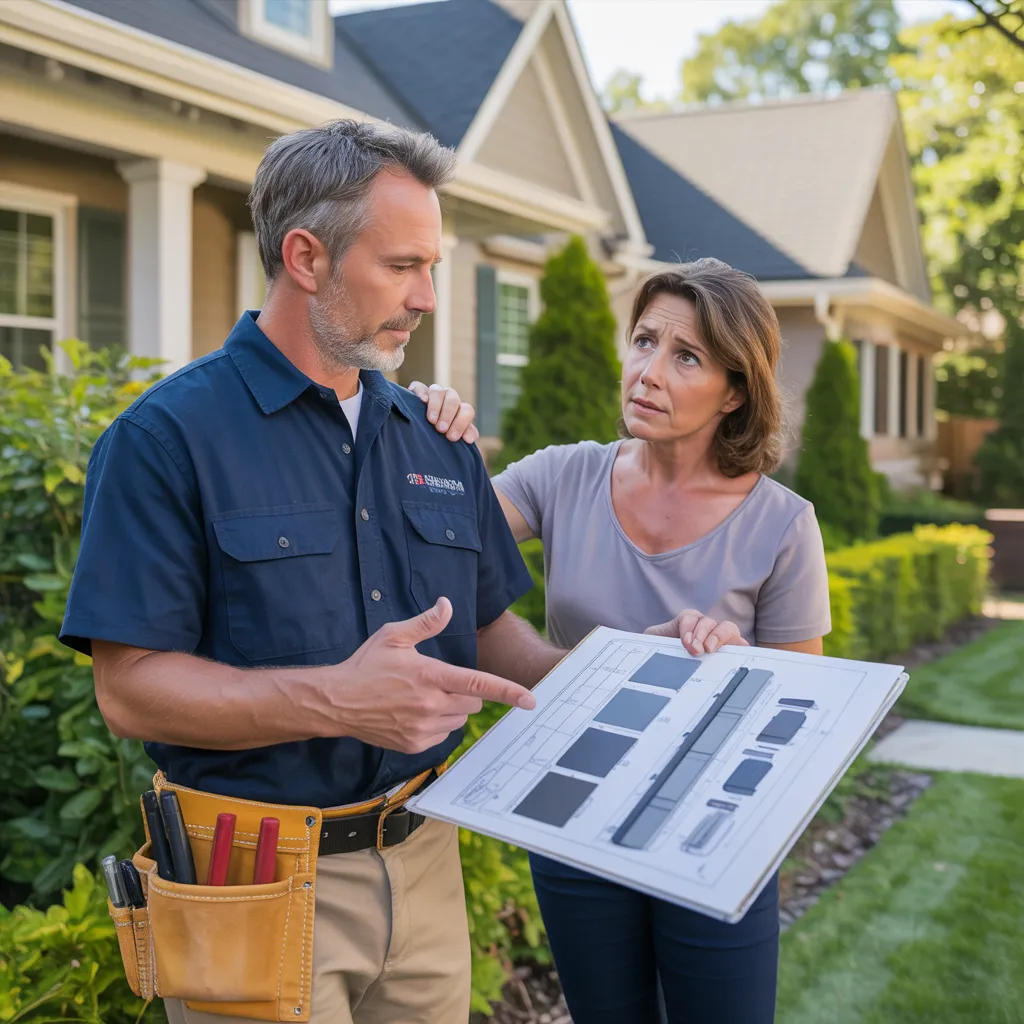
Detailed building solutions are required because they accelerate the building process, confirming that all project phases are unified effectively. These services encompass a range of activities, including planning, design, and execution, which contribute to the overall success of a project. By coordinating various teams and resources, comprehensive building solutions reduce the likelihood of misunderstandings and delays.
Moreover, they foster adherence to timelines and budgets, addressing potential issues in advance. This level of organization fosters a collaborative environment, enabling stakeholders to communicate openly and efficiently.
Furthermore, comprehensive solutions ensure adherence with local regulations and safety standards, reducing risks linked to construction activities. Overall, the incorporation of detailed construction services improves project quality, leading to durable and long-lasting outcomes. In an industry where precision matters, such services deliver the necessary framework for achieving client satisfaction and fulfilling project goals.
Essential Building Services for Homeowners
Homeowners seeking to upgrade their home environments can reap significant benefits from vital building services customized for their particular requirements. These services encompass a selection of services, comprising remodeling, renovations, and repairs, which allow homeowners to convert outdated areas into up-to-date, efficient areas. Kitchen and bathroom remodels often deliver substantial financial gains, improving both aesthetics and utility.
Additionally, exterior services comprising roofing and siding repairs guarantee the home proves safe and visually appealing. Garden design and outdoor living enhancements create inviting environments for enjoyment and entertainment.
Homeowners can likewise benefit from energy-efficient upgrades, which decrease utility bills while promoting sustainability. By hiring experienced contractors, homeowners can manage the intricacies of construction projects with efficiency, assuring conformity to local regulations and timelines. Overall, these crucial solutions allow residents to achieve their goals, ultimately enhancing property value and quality of life.
Primary Solutions for Commercial Projects
Within the domain of commercial construction, proficient project management skills and high-quality sourcing practices serve as essential components. These provisions assure that projects are finished punctually and within financial limits while upholding high standards. Recognizing their value can result in more successful construction achievements.
Project Management Skill
While traversing the challenges of commercial construction, proficient project coordination becomes necessary to ensure prompt completion and budget adherence. Skilled project managers play a vital part in managing various elements of a construction project, including project timelines, resource management, and communication among stakeholders. They implement cutting-edge approaches to mitigate risks and adapt to surprising difficulties, ensuring that projects progress as planned. By tapping into technology and analytical insights, project managers can strengthen judgment calls, optimizing efficiency and productivity. Moreover, their ability to encourage cooperation among contractors, architects, and clients is vital for aligning expectations and achieving project goals. Ultimately, solid project leadership serves as the backbone of prosperous building ventures endeavors, driving projects from conception to conclusion with precision.
Quality Material Procurement
Quality material procurement is a critical component in the landscape of commercial construction, significantly impacting project longevity and overall success. Effective sourcing involves selecting high-quality materials that meet specific project requirements while maintaining budget constraints. This process often necessitates building strong relationships with dependable vendors to guarantee prompt shipment and consistency in quality. Additionally, understanding local regulations and environmental standards plays an essential role in sourcing decisions. By prioritizing quality materials, construction firms can improve structural integrity and reduce long-term maintenance costs. Ultimately, view this a focus on quality material sourcing not only supports a project's immediate goals but also contributes to its lasting value and resilience in a competitive market.
Picking the Perfect Construction Services for Your Project?
When identifying construction services, it is vital to specify project needs clearly to confirm alignment with goals. Evaluating the proficiency of potential vendors further boosts the likelihood of a successful conclusion. Thoughtful review of these factors can lead to a more effective and successful construction endeavor.
Establish Project Parameters in Clear Terms
Clearly defining project needs is crucial for selecting the most appropriate construction services. This requires pinpointing specific project objectives, timelines, budgets, and necessary materials. A well-articulated scope of work helps guarantee that all stakeholders have a shared grasp of expectations. Additionally, outlining any regulatory requirements or site-specific conditions can stop potential delays and misunderstandings during the construction process. By creating clear criteria early on, project managers can effectively communicate their needs to potential service providers, allowing for more well-considered decision-making. Ultimately, thorough documentation of project requirements not only facilitates the selection process but also sets the foundation for successful project execution and reduces the risk of costly revisions later on.
Determine Service Provider Competence
How can project managers ensure they choose the most qualified construction service providers? Evaluating the qualifications of potential service providers is crucial. This approach begins with reviewing each provider's portfolio, which displays past assignments and relevant background. Project managers should also confirm certifications, qualifications, and insurance to confirm compliance with industry requirements. Collecting recommendations and customer feedback can provide understanding into a provider's dependability and craftsmanship. Furthermore, performing interviews enables construction supervisors to assess communication skills and comprehension of project requirements. Comparing bids not only on cost but also on scale, timelines, and standards can additionally assist in decision-making. Ultimately, a thorough assessment of service provider expertise establishes the groundwork for successful job completion and fulfillment.
Streamlining Your Building Project Effectively
Constructing projects with productivity demands that you implement a systematic approach designed to minimize delays and maximize resource allocation. Clear dialogue between team members is critical, ensuring that all stakeholders maintain alignment with project goals and timelines. Employing project management software can enhance workflows, enabling for real-time updates and task tracking.
Furthermore, adopting a staged methodology enables teams to focus on specific project segments, reducing the likelihood of duplicate work that can lead to confusion. Regular progress assessments and adjustments based on performance metrics help identify potential bottlenecks in advance.
Clarifying clear assignments and duties promotes accountability, compelling teams to fulfill deadlines without diminishing quality. Furthermore, participating in proactive risk management equips teams for unforeseen challenges, facilitating rapid responses that maintain project progress. By combining these strategies, construction projects can accomplish greater efficiency, minimizing costs and strengthening overall outcomes.
Building a Environmentally Conscious Construction Project with High-Quality Outcomes
Adopting sustainable practices in construction not only improves construction standards but also minimizes environmental impact. By incorporating sustainable materials and techniques, construction companies can significantly decrease waste and energy consumption. This approach not only meets regulatory requirements but also appeals to environmentally conscious clients.
Leveraging eco-friendly materials, such as bamboo or recycled metals, boosts durability while decreasing carbon footprints. Additionally, utilizing energy-efficient technologies, like solar panels and advanced insulation, guarantees long-term operational savings and improved building performance.
Partnering with green-certified professionals further elevates project standards, ensuring compliance with green criteria.
Furthermore, instituting a waste management plan during the construction period can improve workflow, reducing costs and environmental harm.
At its core, a commitment to green construction approaches generates high-quality projects that connect with both community members and stakeholders, building a foundation of conscientious construction approaches. Such dedication not only strengthens the image of construction organizations but also promotes a improved ecological system.
Frequently Sought Questions
What Are the Usual Timeframes for Development Endeavors?
Typical timelines for building endeavors differ significantly, typically spanning from a few months to several years. Factors affecting duration include project scale, complexity, permitting processes, weather conditions, and availability of resources, affecting overall completion time.
What Should I Do About Unexpected Building Delays?
To manage unexpected construction delays, one should evaluate the circumstances, consult with stakeholders, revise schedules, and explore solutions. Adaptability and strategic foresight can mitigate impacts and maintain project momentum despite setbacks.
What Licenses Must Be Procured for Building Projects?
Numerous credentials are required for building work, comprising building, electrical, plumbing, and zoning permits. The specific requirements rely on local regulations, project scope, and location, calling for engagement with local authorities for observance and guidance.
In What Ways Is Project Financial Planning Controlled Across the Building Phase?
Project budgeting is controlled via regular monitoring of costs, adjusting forecasts based on real expenditures, and maintaining dialogue among interested parties. This guarantees adherence to financial goals and prompt detection of potential overruns or savings.
What Safety Practices Are Applied on Building Locations?
Construction sites adopt various protective systems, featuring ongoing training initiatives, employment of personal protective equipment, clear signage, site inspections, emergency protocols, and adherence to legal requirements to decrease exposure to danger and guarantee the protection and health of workers.